Wired Different, Designed Better: How Luxury Brands Are Paying Synesthetic Minds to Reinvent Experience
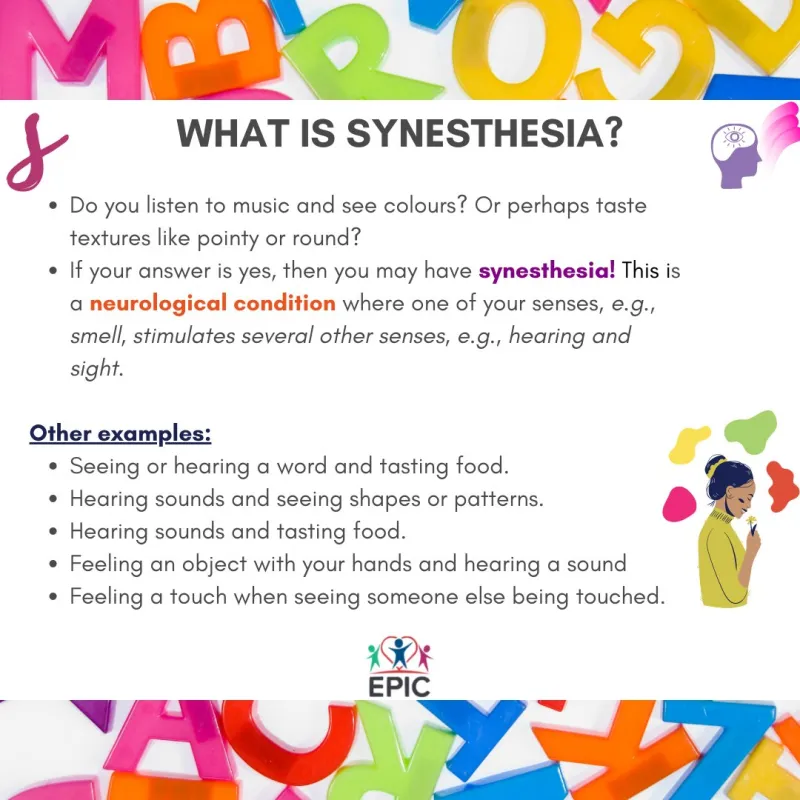
Photo: synesthesia colorful brain neuroscience abstract art luxury creative, via pbs.twimg.com
Somewhere in a Tribeca studio that smells like cedar and burnt copper wire, a woman named Dara is listening to a color. Not metaphorically. She hears the specific hue of a Pantone swatch the way most people hear a chord — fully, involuntarily, with emotional weight. Dara has chromesthesia, a form of synesthesia where sound and color cross-wire in the brain's sensory processing. She's also, as of eighteen months ago, a paid creative consultant for a luxury fragrance house that would prefer to remain unnamed.
"They hired me because they ran out of ideas," she says, without bitterness. "Which is fine. I just want to make sure they don't run out of me."
That tension — gratitude edged with wariness — is the emotional undercurrent running through an industry shift that's been building quietly for years and is now impossible to ignore.
The Perception Gap Nobody Was Talking About
Here's the thing about designing luxury experiences: the entire premise is that they should feel different. Elevated. Beyond the ordinary. But for decades, those experiences were designed by neurotypical people trying to approximate what "extraordinary" might feel like — which is a little like asking someone who has never tasted anything to write a menu.
Enter the synesthesia economy.
Researchers estimate that roughly 4% of the US population experiences some form of synesthesia — the neurological phenomenon where one sensory input automatically triggers another. Some people see numbers as colors. Others taste words. Some, like Dara, hear visual information. For most of their lives, these individuals have been treated as interesting footnotes in neuroscience textbooks or, worse, romanticized as tortured artists. The idea that their perceptual wiring might represent a functional creative advantage is, in the broader cultural conversation, relatively new.
But luxury brands — always hunting for the next layer of differentiation — have started doing the math.
From Labs to Retail Floors
The applications are genuinely wild. A high-end skincare brand working out of a Brooklyn product development studio has been collaborating with a team that includes two people with mirror-touch synesthesia — a condition where observing someone else being touched produces a physical sensation in the observer's own body. The goal? To engineer packaging textures that communicate something beyond "premium." Something closer to felt intimacy.
"Neurotypical designers keep reaching for words like 'soft' or 'luxurious,'" says one product developer familiar with the project. "But these collaborators are giving feedback like 'this texture sounds like a held breath.' That's a completely different design brief."
In the tech space, companies building spatial audio for AR and VR environments are actively recruiting people with sound-to-color synesthesia to help calibrate immersive experiences. The logic is straightforward: if you want to build a digital environment that genuinely feels like something, you probably want input from people whose nervous systems process environments as multi-sensory events by default.
Even the fashion world is getting in on it — more on that in a moment — but the deepest investment is happening in fragrance and flavor, industries where the entire product is a cross-sensory experience.
The Ethical Vortex in the Room
Okay, but let's not pretend this is all clean and celebratory, because it isn't.
There's a version of this story where neurodivergent creatives are finally being recognized and compensated for a form of intelligence the mainstream spent decades pathologizing. That version is real. It's happening. It matters.
There's also a version where corporations extract the perceptual labor of marginalized people, pay them consulting fees while keeping the IP, and then slap "designed with neurodivergent insight" on a $400 candle as a marketing line. That version is also real. Also happening.
Advocates in the neurodivergent creative community are increasingly pushing for structural protections — not just higher fees, but co-ownership agreements, credit standards, and transparency about how synesthetic or otherwise atypical sensory input is being used in final products. "The goal isn't to be a flavor additive in someone else's recipe," says one advocate who works with neurodivergent artists in New York. "The goal is to be a chef."
The distinction matters enormously, and right now the industry is somewhere in the messy middle of figuring it out.
What Neurotypical Design Actually Can't Do
Let's zoom out for a second and talk about why this is happening now, specifically.
We're living in a sensory saturation era. Every brand has an app, a playlist, a signature scent, a haptic feedback pattern. The toolkit of conventional experience design has been so thoroughly exhausted that the marginal return on another "immersive" pop-up or another "curated" playlist is basically zero. Consumers — especially younger ones — have developed finely tuned detectors for manufactured feeling. They know when something was designed to seem like an experience rather than to be one.
Neurodivergent creatives, particularly those with synesthetic perception, are operating from a fundamentally different sensory map. They're not approximating cross-sensory experience — they're living it. When a synesthetic designer says a particular shade of blue should have a lower frequency, they're not being poetic. They're reporting a perceptual fact. That specificity is exactly what neurotypical design keeps reaching for and keeps missing.
The Architects of a Different Future
What's most exciting — and most under-reported — is that this isn't just about making luxury goods feel fancier. The downstream implications are enormous.
Accessibility design, for one. Neurodivergent creatives working on sensory experience are producing insights about how environments affect people with sensory processing differences that could transform everything from hospital design to public transit. The luxury sector is essentially funding R&D that, if shared openly, could make the world more livable for a much broader population.
There's also the question of what happens when these creatives stop consulting and start leading. A handful of synesthetic artists and designers are now founding their own studios, refusing the consultant model entirely. They're building agencies, releasing products, and defining their own creative frameworks — ones that don't translate neurodivergence into neurotypical language but instead ask neurotypical audiences to meet them somewhere new.
That's the version of this story worth watching. Not luxury brands using different minds, but different minds building different worlds — and inviting the rest of us to try and keep up.