Your Brain on Brand: The Secret Science of Making You Feel Luxury With Every Sense You Own
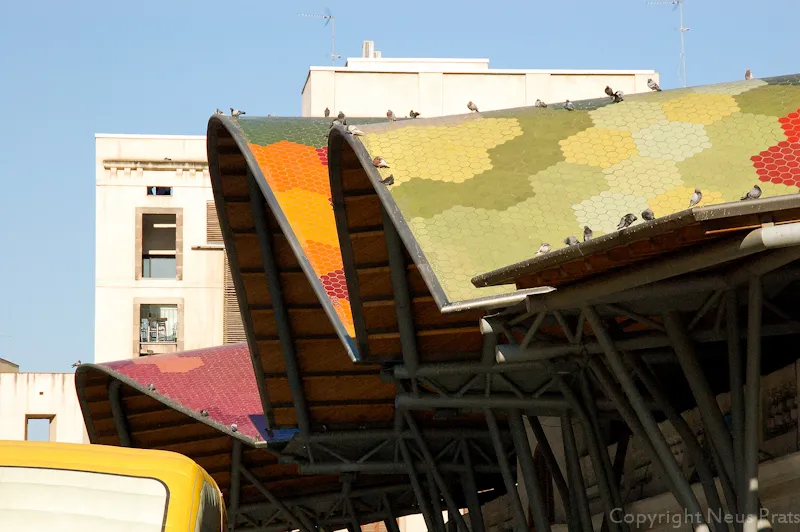
Photo: luxury brand multisensory experience colorful light installation retail, via www.lamevabarcelona.com
There's a moment — you've probably had it — where you walk into a high-end hotel lobby, a luxury car dealership, or a flagship retail store and feel something shift in your chest. Not excitement exactly. More like recognition. Like your body decided this place was important before your brain had a chance to weigh in. That feeling isn't accidental. It was engineered. And the people who built it had neuroscience degrees.
Welcome to the synesthesia industry — a quietly booming corner of experiential marketing where luxury brands are paying serious money to blur the lines between your senses, and in doing so, blur the line between genuine desire and manufactured compulsion.
When Colors Start Tasting Like Something
Synesthesia, in its natural form, is a neurological phenomenon where stimulation of one sense involuntarily triggers another. Some people hear music and see colors. Others taste words. It affects maybe 4% of the population in its clinical form — but neuroscientists have known for years that everyone's brain has latent cross-sensory wiring. Hit the right combination of inputs and you can make almost anybody associate a deep burgundy red with something rich and bitter, or a high-pitched tone with something sharp and bright.
Brands figured this out. And they have not been subtle about exploiting it.
High-end spirits companies are working with flavor scientists and sound designers to craft specific acoustic environments — the clink of a glass, the frequency of background music — that prime your palate before you even take a sip. Luxury car manufacturers have entire acoustic engineering teams whose sole job is to make the sound of a door closing feel expensive. This isn't metaphor. They measure it in decibels and conduct blind listening tests.
And then there's color. Oh, there's color.
The Chromatic Price Tag
Some of the most aggressive cross-sensory research happening right now is in visual-to-taste translation. A handful of companies — mostly in the fine dining, premium spirits, and luxury chocolate space — have partnered directly with academic neuroscientists to study how specific color palettes can prime a consumer's expectation of flavor before a single molecule hits their tongue.
The findings are genuinely disorienting. In multiple controlled studies, subjects consistently rated the same food or drink as tasting sweeter when served in warmer-toned environments and more bitter or complex when surrounded by cool blues and deep violets. The taste didn't change. The perception did. And perception, as any luxury marketer will tell you with a polished smile, is the entire product.
Some high-end chocolate brands have leaned into this so hard that their packaging color systems are now essentially flavor maps — each shade calibrated to prime a specific taste expectation before you've unwrapped a single piece. It's design that functions like a pre-lick.
The Artists in the Room
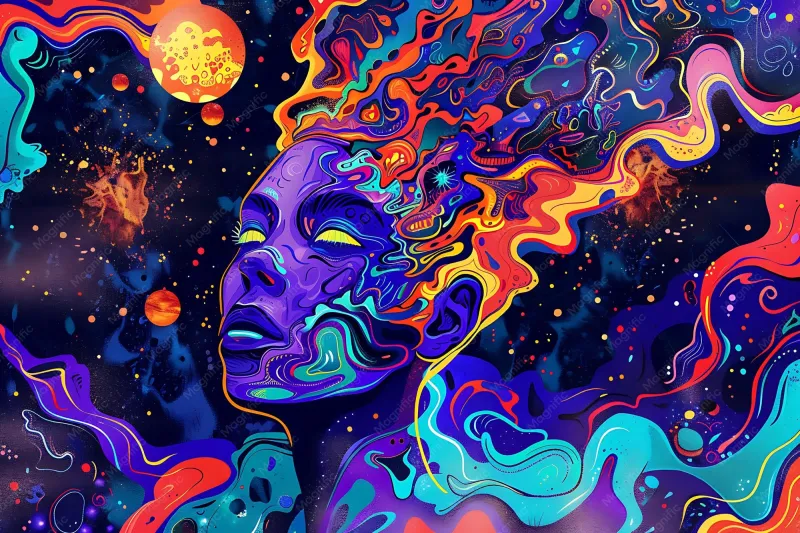
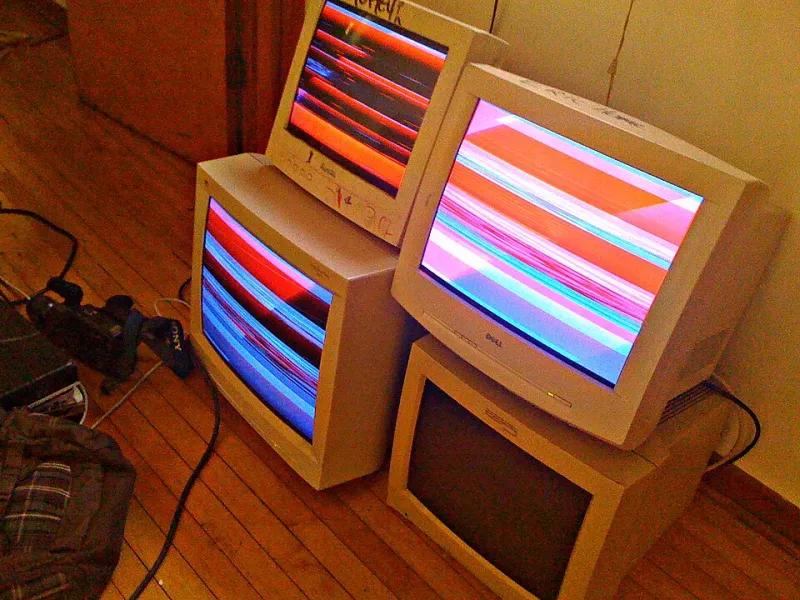
Here's where it gets genuinely interesting, and genuinely weird: the brands doing this best aren't just hiring scientists. They're hiring artists. Specifically, they're hiring people who work in synesthetic and multisensory installation art — the kind of experimental creators who've spent careers making gallery visitors feel sound in their teeth or smell color through a fog machine.
Think about that for a second. The same aesthetic philosophy that drives an experimental audiovisual installation at a Brooklyn warehouse show is now being applied to the inside of a Chanel boutique or a Michelin-starred tasting menu. The avant-garde got a corporate consulting contract.
This crossover is producing some genuinely spectacular — and genuinely unsettling — environments. There are tasting rooms where the walls shift color in sync with what you're drinking. Hotel lobbies where the scent changes subtly based on the time of day, calibrated to affect your emotional state on arrival versus departure. Retail spaces where the tactile quality of surfaces is designed to make the clothing you haven't yet touched feel more expensive in your imagination.
Weaponizing the Wiring
So is this art? Is it science? Is it manipulation?
Honestly, it's all three, and the discomfort of that answer is kind of the point. There's something genuinely brilliant about the idea that human sensory experience is cross-wired and that design can speak to all of those wires simultaneously. Multisensory art has been doing this for decades — think Yayoi Kusama's infinity rooms, or the immersive sound environments of Pauline Oliveros. The aesthetic language is real. The emotional resonance is real.
But when that language is deployed not to expand consciousness but to expand a shopping cart, something shifts in the moral register. You're not being invited into an experience. You're being processed through one.
The neuroscientists involved in this work — the ones who'll actually talk about it — tend to frame it carefully. They'll say they're helping brands communicate authenticity more effectively, that they're aligning sensory signals with the genuine quality of a product. And maybe that's true sometimes. But the research doesn't care about authenticity. The research just wants to know which combination of inputs makes you reach for your wallet fastest.
The Spiral Gets Tighter
What's most fascinating about the synesthesia industry, from an Untwisted Vortex perspective, is what it reveals about the increasingly porous border between perception and reality in commercial space. Your senses, which you probably assumed were reporting objective information about the world, are actually deeply hackable. And corporations have the research budget to figure out exactly how.
The avant-garde aesthetic that once felt like a counterpoint to commercial culture — the weird, the multisensory, the deliberately disorienting — has become a premium feature you can charge extra for. Luxury isn't just about quality anymore. It's about the experience of perceiving quality, engineered from the ground up.
Next time you walk into a space and feel that inexplicable sense of rightness, that full-body recognition that something is worth more — pause for just a second. Ask yourself: did you decide that? Or did someone with a neuroscience grant and a Pantone chart decide it for you?
The answer is probably somewhere in the middle. And that middle space, where human perception meets corporate architecture, is one of the strangest places the vortex has taken us yet.