The Anchors Are Alive: Seven Dead Malls Where the Art Got Weird and Stayed
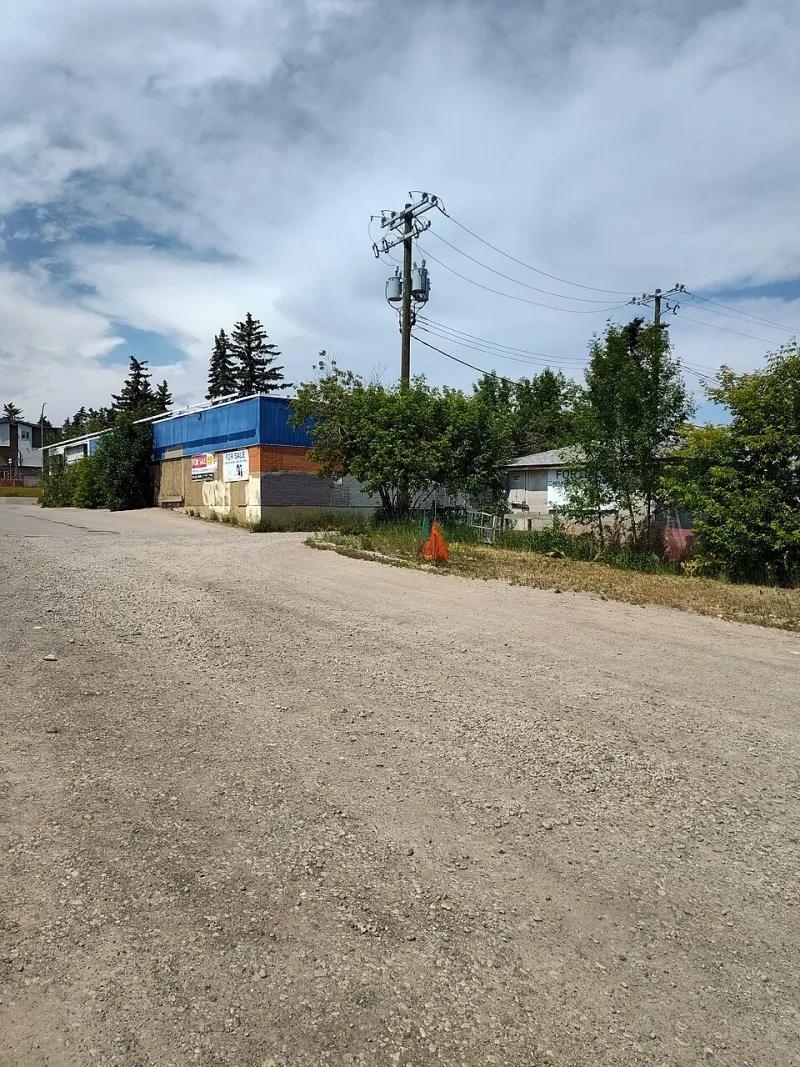
Photo: CnekYT, CC BY-SA 4.0, via Wikimedia Commons
There is a specific feeling to standing in a dead mall on a weekday afternoon: 68 degrees year-round, the HVAC still running out of habit, no sound but your own footsteps on tile that hasn't seen a mop in six years. It is one of the last genuinely uncanny interiors America makes by accident.
It's also dirt cheap. That combination — physical vastness, cheap square footage, and a nostalgia so thick you could cut it — has made these buildings the most interesting labs in the country for work that couldn't survive a gallery's insurance policy. Below, seven mall ruins across the US where artists have moved in and made the place weirder instead of nicer.
Programs at these sites rotate fast, get defunded, and sometimes vanish without a website update, so check before you drive.
1. Forest Fair Village — Fairfield, Ohio
This 1.5-million-square-foot beast outside Cincinnati is the granddaddy — a mall that has cycled through multiple identities and renamings and still can't quite die. What makes it usable is the sound: dead escalators, a food court with a jungle theme, and a roof-mounted air handling system that produces a continuous low rumble you feel before you hear. A Cincinnati collective has been hosting occasional drone evenings in the concourse, contact-mic'ing the escalator frames and letting the room's own room-tone stretch into forty-minute pieces. Nobody claps. That's the etiquette here.
2. Century III Mall — West Mifflin, Pennsylvania
Opened in 1979 and billed as the mall of the future, this one closed its doors years ago and has been slowly getting rained on ever since. The water intrusion is the art now. Pittsburgh artists have been using food-safe dye to trace how leaks travel across ceiling tile, photographing the maps before they dry, and rigging buckets in a tuned scale so the drips play chords. There is something almost unbearably on-the-nose about a former consumer palace making music out of its own decay. It works anyway.
3. Northridge Mall — Milwaukee, Wisconsin
City-owned, demo-threatened, and contested for years, Northridge is the case study in how a community fights over a dead building. The art response has been archival rather than theatrical: a photogrammetry crew walking the concourse with cameras, building a digital replica before the wrecking ball gets a vote, and broadcasting the scans from a projector perched in a parking lot. It's not subtle. It's not supposed to be. It's a witness statement.
4. Eastfield Mall — Springfield, Massachusetts
Closed after decades of operation, Eastfield is now in the middle of a redevelopment that trades retail for housing and medical space — the standard 2026 playbook. Before the walls closed in, a residency took over the last leasable units and ran what amounted to an exhibition about clearance: emptied display cases, a wall of old plastic hangers, a working cash register that only sold the concept of purchase. Bleak in the best way, and a nice corrective to all the sentimental mall-nostalgia content floating around.
5. Charlestowne Mall — St. Charles, Illinois
A small, stubborn dead mall with a carousel inside and a big dark anchor space that nobody can lease. That darkness turned out to be the asset. A group of photographers converted an old eyeglass shop into a working darkroom, ran a show of vacancy shot by local teenagers on donated film, and then hung the prints in the empty anchor next door — a hundred photos of the building, shown inside the building, lit by clamp lamps. Total budget: unmentionable. Effect: unforgettable.
6. Regency Mall — Racine, Wisconsin
This mall has been almost dead for so long that its survival is its own folk legend. The practical win here has been studio space — square footage at a rate that lets a ceramics co-op, a screenprinting setup, and a zine library share a wing of an old department store. There's a monthly market, a kiln that runs on a schedule taped to a pillar, and absolutely no curation. It looks like what it is: a bunch of people making things in a building too big to fail politely.
7. The Gallery at Military Circle — Norfolk, Virginia
The anchor space here has hosted the two things every dead mall inevitably gets: skateboards and light installations. A suspended piece running the length of the old food court uses the dead overhead fluorescents as a rigging grid, blinking in a slow sequence that reads, from the right angle, like the building breathing. There's also a fountain that people have been quietly adding to for years. Nobody organized this. That's the piece.
Why This Works Better Than a White Cube
The obvious attractions are cost and size. Less obvious: a mall is already full of infrastructure — power, HVAC, freight elevators, loading docks, bathrooms, parking for 3,000 cars. An artist-run project that would cost six figures in a warehouse gets a lot of that for free.
And then there's the memory problem. Audiences walk into a dead mall already carrying a version of the space in their heads — a Claire's, an Orange Julius, a first date, a job application. You don't have to build atmosphere when the building has been building it for forty years. You just have to be careful not to wreck it with signage.
If You Want to Try This In Your Own Town
Start with whoever holds the paper — a receiver, a county, a developer with a demolition date. Ask about a short-term license rather than a lease, name the entity properly so nobody gets personally sued, and get general liability coverage before you plug in a single lamp. Find out who the fire marshal is and become their friend. Do not skip the ADA conversation; these buildings fail accessibility audits badly and retrofitting one ramp is cheaper than a lawsuit.
The rest is timing. Every dead mall has a window before the rezoning hearing, before the demo permit, before someone turns the lights off for good. In that window, a building with no purpose will hand itself to anybody who shows up with a plan.
Go listen to the escalator while you still can.